"নারীর সমঅধিকার, সবার উন্নতি: টেকসই আগামীর পথে এগিয়ে চলি একসাথে।"

.jpg)
.jpg)
.png)
.png)

.jpg)
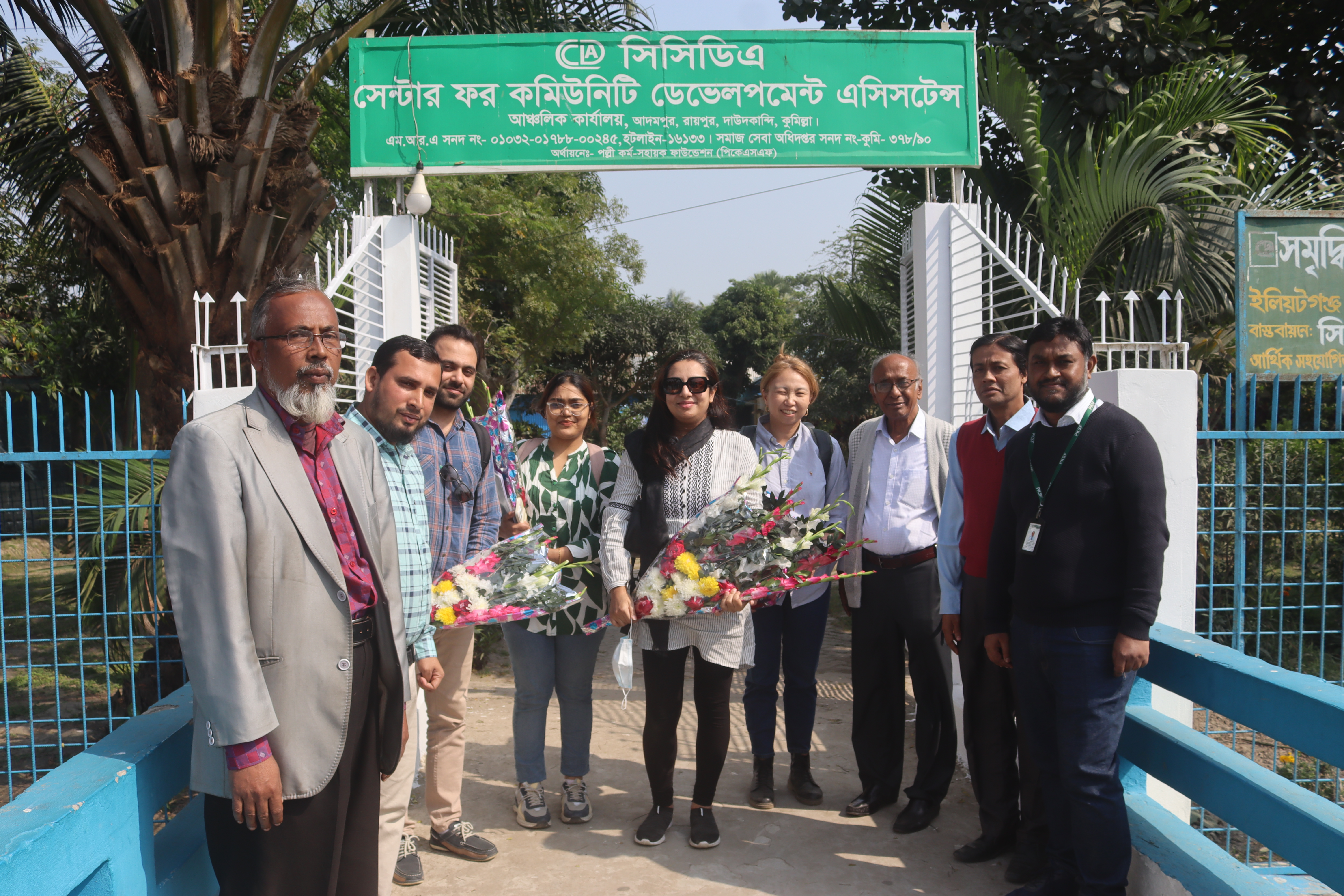
The Centre for Community Development Assistance (CCDA) is a pro-poor, non-political, and non-profit development organization rooted in the grassroots of Bangladesh. Founded in 1990 in Adampur, a remote village under Daudkandi Upazila of Cumilla district, CCDA was born from a humble beginning but with an enduring and lofty vision: to help realize the dream of a Sonar Bangla (Golden Bengal), free from poverty and inequality.
Over the past three and a half decades, CCDA has grown steadily from that single village into a multi-district organization of meaningful scale. Today, it operates across 76 upazilas in 14 districts through a network of 114 branch offices, extending its reach to nearly one million beneficiaries. What began as a modest microcredit program in 1991 has since evolved into a comprehensive development platform, one that now addresses microenterprise development, water, sanitation and hygiene (WASH), human capital development, community mobilization, healthcare, and more. This transformation has been made possible by a team of close to 1,000 dedicated staff and a resilient, impact-driven organizational strategy.
CCDA is formally registered with the Social Welfare Department under the Ministry of Social Welfare (1990), the NGO Affairs Bureau (1996), and the Microcredit Regulatory Authority (2008). The organization is governed by a General Council (GC), its supreme body, while day-to-day management, operations, and project implementation are overseen by a nine-member elected Executive Committee (EC).
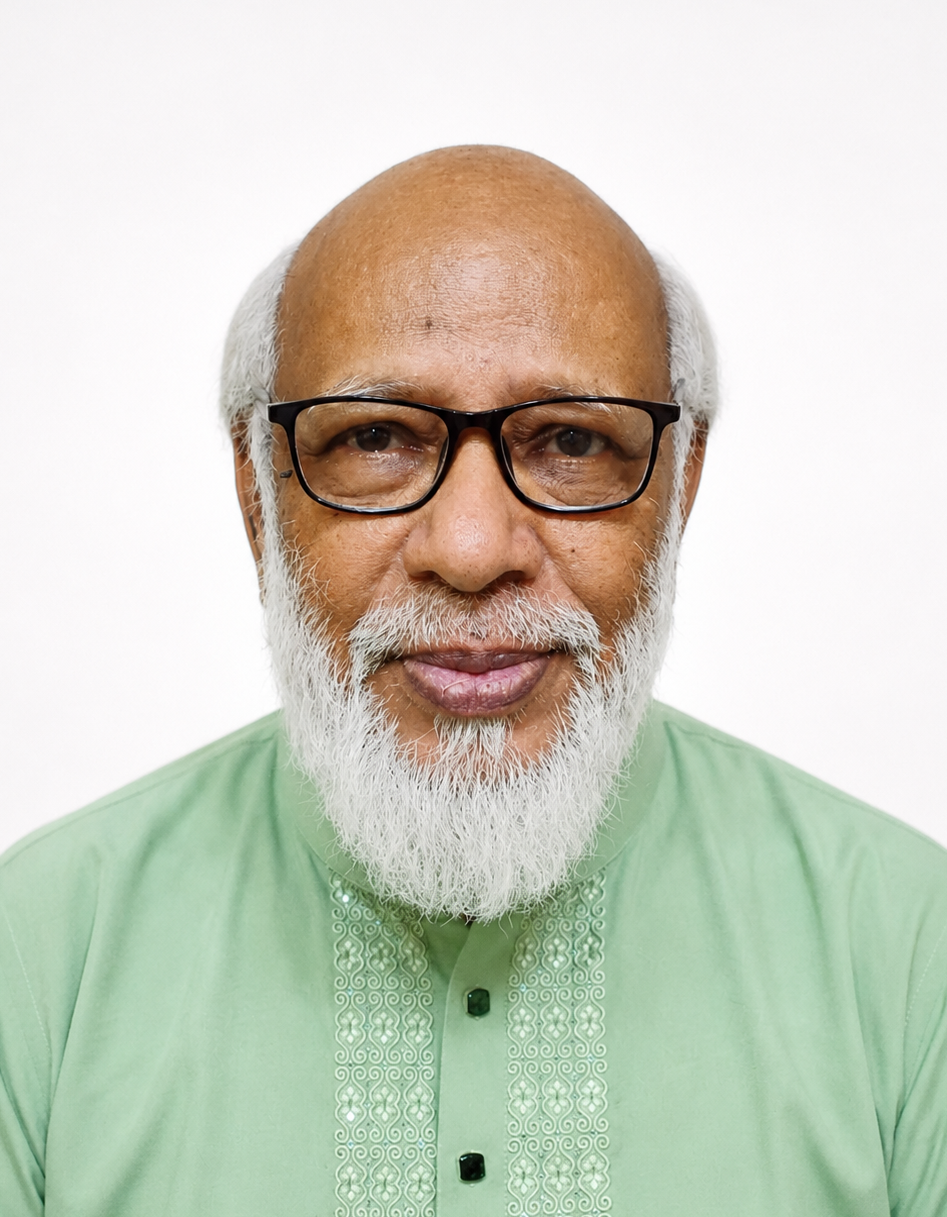
Engineer Muhammad Hilal Uddin is a valiant freedom fighter of the 1971 Liberation War, a dedicated social worker, and a lifelong human-rights activist committed to the welfare of Bangladesh's most vulnerable communities. As President of the Executive Body of the Centre for Community Development Assistance (CCDA), he provides visionary leadership to one of the country's foremost pro-poor microfinance and development organizations — guiding its mission to empower nearly one million beneficiaries across Bangladesh. Shaped by his courage and sacrifice during the Liberation War, Engineer Hilal Uddin has devoted his life to public service — championing the cause of the marginalized through community development, social welfare, and sustainable grassroots empowerment. His integrity, dedication, and compassionate leadership continue to inspire all those who work alongside him at CCDA.
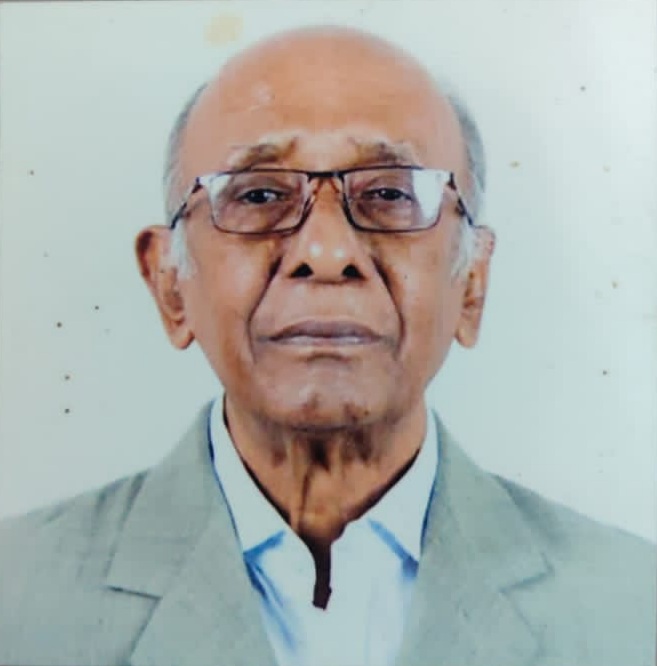
Md. Abdus Samad is the founder and Executive Director of the Centre for Community Development Assistance (CCDA). Born in 1951 in Adampur Putia village under Daudkandi Upazila of Cumilla district, he was raised in a family of humble roots by his father, Sujat Ali. He pursued higher education at the University of Dhaka, earning both his bachelor's and master's degrees, and served as the General Secretary of Haji Muhammad Mohsin Hall during his academic years - a testament to his early leadership qualities. A valiant freedom fighter, Md. Abdus Samad actively participated in the Liberation War of 1971, contributing to the birth of an independent Bangladesh. That same spirit of service and commitment to his people would define the course of his professional life. In 1990, driven by a deep sense of responsibility toward the rural poor, Mr. Samad co-founded CCDA alongside his associate Sukumar Debroy in his hometown of Adampur - beginning with little more than a vision and an unwavering resolve to make a difference. Under his visionary and steadfast leadership over more than three decades, CCDA has grown from a single-village initiative into one of Bangladesh's prominent development organizations, now operating across 61 upazilas in 12 districts through 108 branch offices and reaching nearly one million beneficiaries. Md. Abdus Samad's life and work stand as a reflection of CCDA's founding ethos - that lasting change begins at the grassroots, and that no community is too remote to deserve dignity, opportunity, and development.
.jpg)
To raise awareness among marginalized rural communities - especially women, children, and adolescents - about their fundamental rights, and to take deliberate, targeted steps toward improving their socio-economic conditions and creating sustainable livelihood opportunities.
.jpg)
To build an exploitation-free and equitable Bangladesh through sustainable socio-economic development, where every person lives with dignity and equal opportunity.
To eradicate poverty and contribute to building a prosperous Bangladesh.
To improve socio-economic conditions through the provision of self-sufficiency and resilience.
To ensure social protection for vulnerable and disadvantaged communities.
To establish and uphold equal access to education, healthcare, and other basic rights.
To develop micro-entrepreneurs, build capital, and generate employment opportunities.
To ensure social security and improve the quality of life for the elderly population.
To develop technically skilled and technology-dependent human resources capable of contributing to national development.
To promote social governance, moral values, ethical education, and discipline within communities.
To modernize agricultural practices and ensure food security through sustainable farming systems.
To strengthen environmental management, disaster preparedness, risk reduction, and emergency response services.
To uplift the socio-economic status of rural poor, especially destitute women, disadvantaged groups, and adolescents, through targeted development interventions.
"আন্তর্জাতিক নারী দিবস ৮ মার্চ ২০২৫ উপলক্ষে পৃথিবী, বাংলাদেশ এবং সিসিডিএ'তে কর্মরত সকল নারীকে জানাই শুভেচ্ছা।"

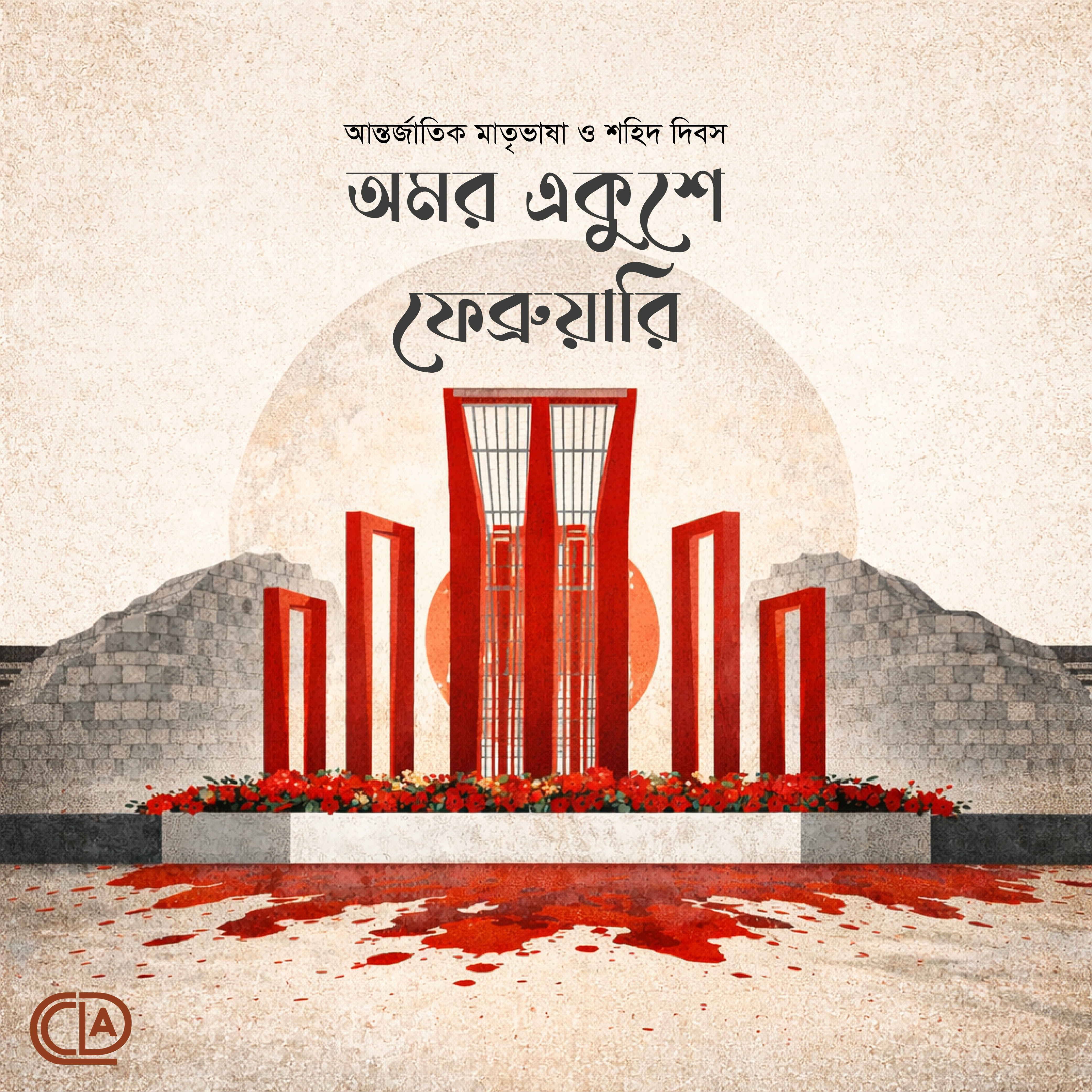
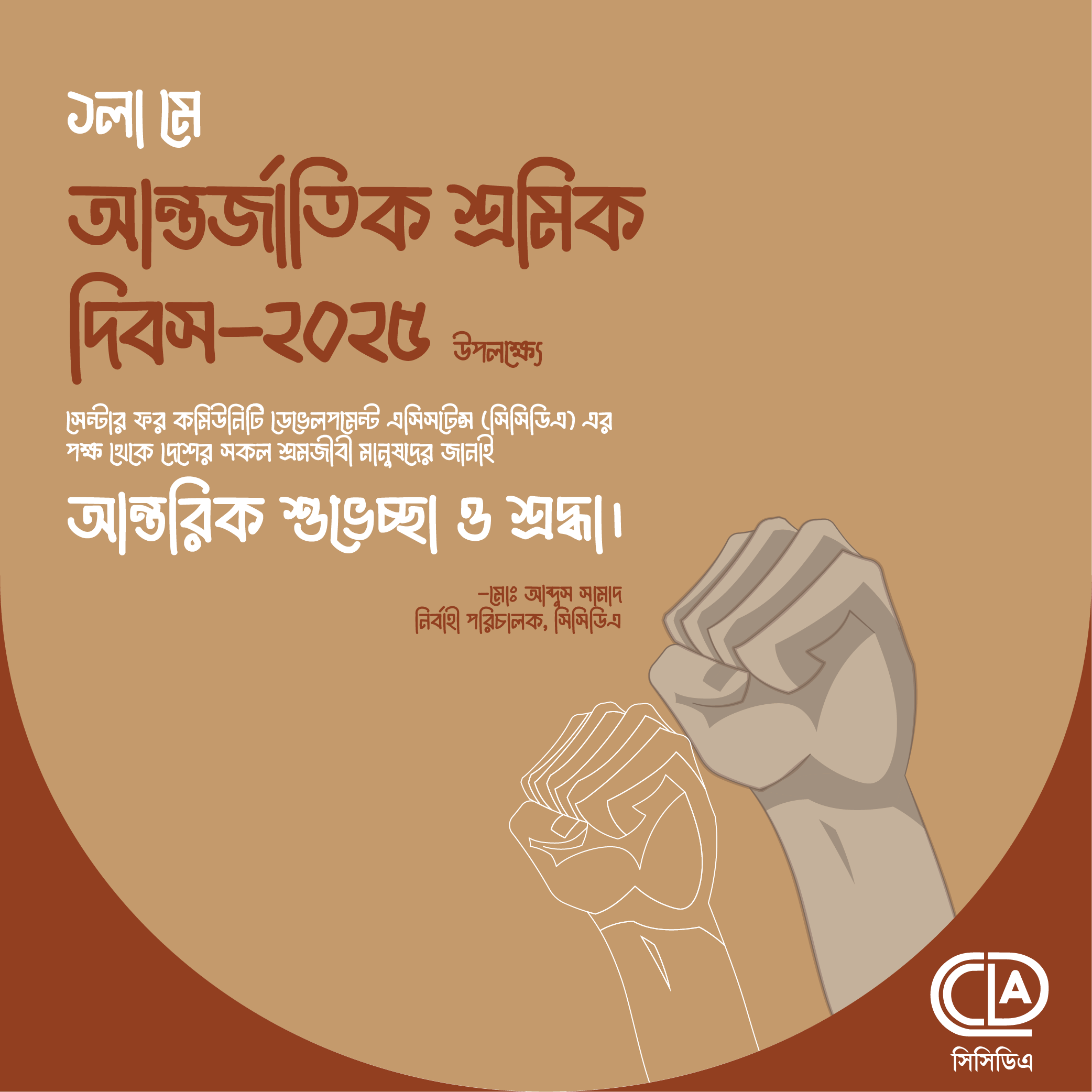

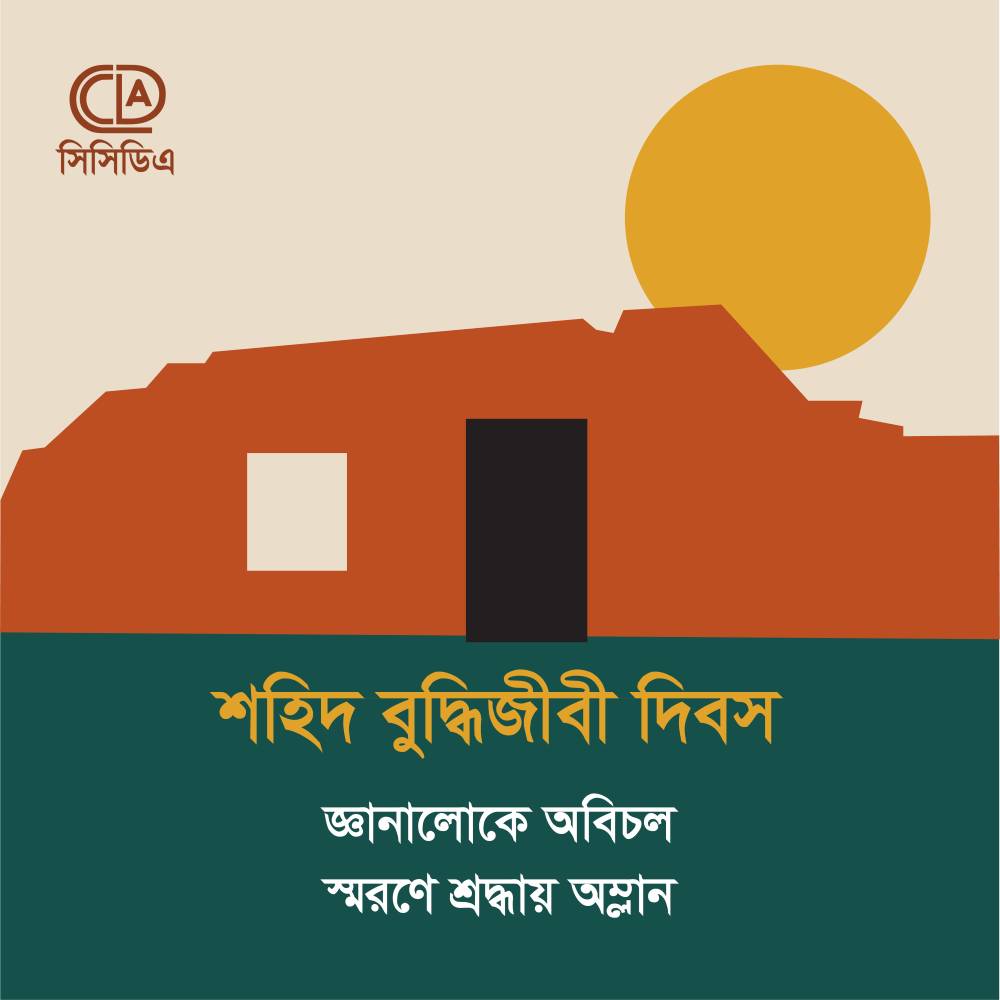
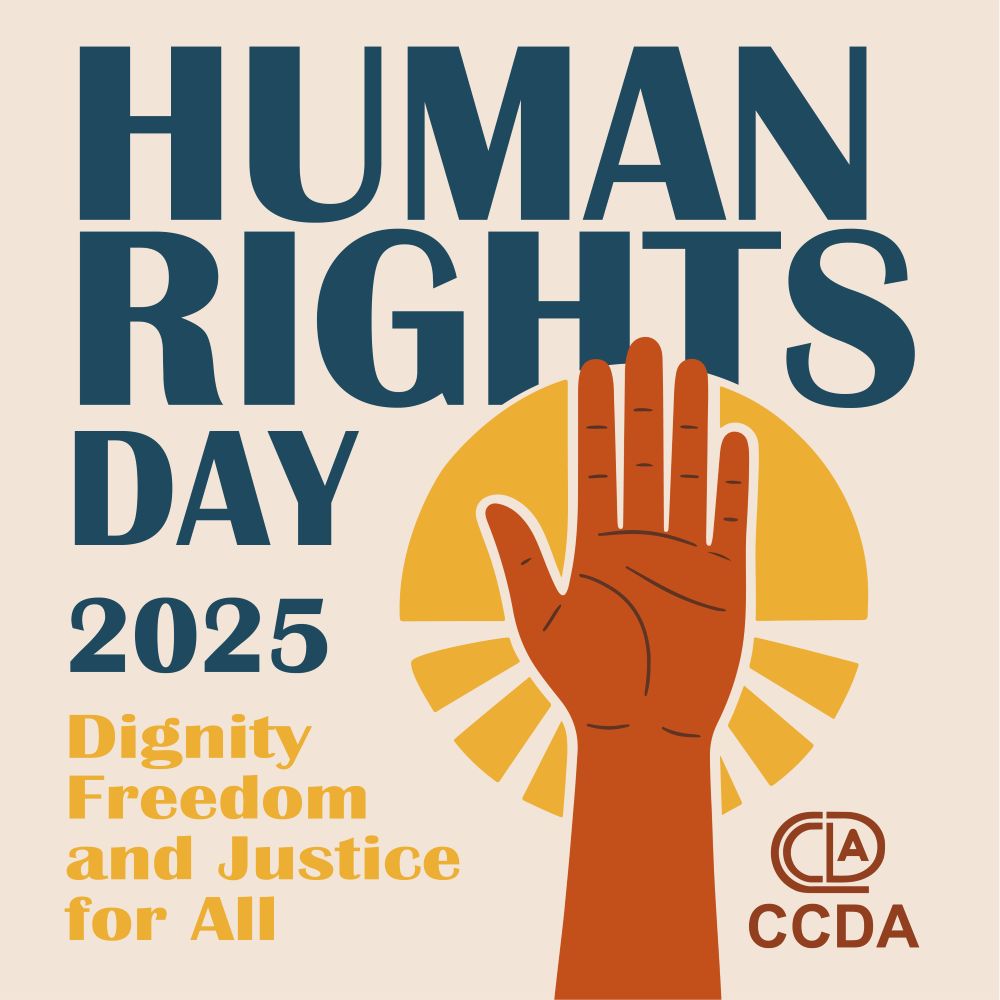




"মহান শহিদ দিবস ও আন্তর্জাতি মাতৃভাষা দিবসে সকল ভাষা শহিদের স্মৃতির প্রতি শ্রদ্ধাঞ্জলি"